


Fripp Island Birds
Over 80 species of birds reside on Fripp Island. Fripp Island birds travel from all over the country to visit the island during our warm summer season. The birds love Fripp so much that the National Audubon society named Fripp Island an Important Bird Area.
Some of the species you can view at Fripp are:
- Osprey
- White Ibis
- Red Throated Loon
- Black Skimmer
- Double Crested Cormorant
- Scoter
- Old Squaw
- Great Blue Heron
Visit the South Carolina Audubon Society for more information.
Get the Audubon Bird Guide App
Want to learn more about bird species on Fripp? Check out a list of the birds seen on Fripp Island.
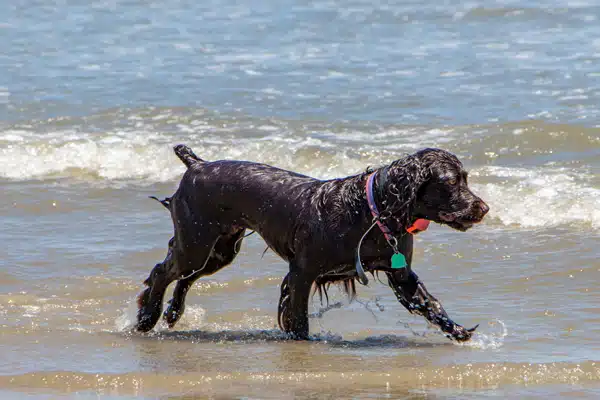
Want to be a better beach goer to shorebirds? #ShareTheShore by respecting posted signs about nesting and other off-limits areas and keep your pet leashed whenever you’re near birds.
Playful dogs want everyone involved in the fun, but their antics can wreak havoc on shorebird colonies in a matter of seconds. Birds like these Least Terns perceive dogs as predators, even if the dogs aren’t chasing them.
Least Tern with chick. 📷: Jim Verhagen/Audubon Photography Awards
A Fling of Sandpipers! Don`t forget to #sharetheshore if you go to the beach this holiday weekend. Tiny birds the size of cotton balls may be nesting/foraging where you lay your blanket or set off fireworks. Look at signage, stay away from conservation areas, and have fun! 🌊
Going to the beach this #LaborDay? Here’s why if you’re planning to bring your canine companion with you, don`t forget to #ShareTheShore!
For most of our coastal birds in North America, human disturbance is one of their biggest threats. That`s any activity that causes an individual or group of shorebirds to alter their normal behavior—and that includes bringing along our canine companions. To birds, people look like predators and our dogs even more so.
"There’s a place for everyone at the beach—including our furry friends—but we need to work together to ensure every creature stays safe out there, especially those that call the shore home," says Audubon`s Elizabeth Muñoz Huber.
Today we`re celebrating all wildlife, like our shorebirds, on #NationalWildlifeDay—so tap the link in our bio to learn how small actions like leashing our pets go a long way in protecting them.
Populations of Least Terns—like this adult and chick—are endangered in many areas because of human impacts on nesting areas, especially competition for the use of beaches. 📷: Jim Verhagen/Audubon Photography Awards
Piping Plover chicks have been hatching throughout the Great Lakes region this summer, ushering in a particularly vulnerable time for these endangered shorebirds. 🐣
Adult Piping Plovers and their chicks face daily dangers, including disturbance from beachgoers, predators, and dogs off leashes. While many nesting locations are monitored frequently, the birds can’t be watched 24/7, which means it’s up to beachgoers to be aware of any plovers nesting nearby and the importance of giving them space to nest and rest.
That’s why AudubonGreatLakes and partners recently launched an education and outreach program to reach tourists and other new audiences in the area and encourage them to protect these shorebirds.
Tap the link in our bio to learn more about how this program aims to help beachgoers to #ShareTheShore!
A Great Lakes Piping Plover and its chick on the beach. 📷: John Doskoch
Common terns
Canon 7D Mark II, Tamron 150-600mm g2
#sharetheshore #natgeowild #natgeoyourshot #audobonsociety #canonusa #canon #tamron #tamronusa #earthcapture #birds #birdsofinstagram #shorebirds #ocean #conservation #wildlifephotography #wildlifeconservation #beach #nature #naturephotography #best_birds_of_ig #natgeo #birdfreaks #birdlife
The way that male Piping Plovers defend their territories resembles a game of chase—in this “parallel-run display,” they’ll typically face each other while individuals run forward then stop, chasing each other until there’s no more room, then running back to where they started.
Piping Plovers are considered an endangered or threatened species in all parts of their range—and many of their nesting areas are subject to human disturbance or other threats.
You can help protect them and other shorebirds and wildlife the next time you’re at the beach by remembering to #ShareTheShore. 🏖
A video of Piping Plovers chasing each other. 📹: Sean Graesser (gourmetbiologist)
Just had to share this picture I took recently at the beach 🥰🥰🥰 It’s that time of year again, beach birds are starting to pair up so be aware of who you might be stepping on!! Many shorebirds, like plovers, terns, and other relatives use simple and hard-to-see scrapes on the beach to lay their very camouflaged eggs.
[image description: my hand holding out a sticker showing an adult snowy plover and three fluffy chicks, with the caption “Share the Beach”. I am holding it in front of a beach background with blue sky.]
#BirdArt #BirdSticker #NatureSticker #ShareTheBeach #ShareTheShore #plover #PloverLover #SaveTheBirds
Last week, as Green Bay, Wisconsin, geared up to host the 2025 NFL Draft, another long-awaited homecoming had locals buzzing—the return of the Great Lakes Piping Plovers. Most notably “Ms. Packer,” a federally endangered Great Lakes Piping Plover, returned to her nesting grounds. 💚
It was cause for celebration. That`s because in April 2024, she had returned to the site for what would have been her seventh breeding season but mysteriously vanished after about two weeks and was not seen again in 2024.
This year she`s been joined by two other Piping Plovers, including a male she`s paired with. And she`s already nesting!
Learn more about the work AudubonGreatLakes is doing to protect these endangered Piping Plovers—and what you can you do help them out this coming breeding season by tapping the link in our bio.
Ms. Packer on her first egg of this season. 📷: Logan Lasee (Note: This photo was taken as part of a monitoring project—remember to #ShareTheShore and give them their space by observing from a distance.)
Where do weanlings (elephant seal pups who are no longer nursing) go on their first trip at sea?
Without any teaching, or any help from their fellow weanlings, these brave young voyagers venture to sea and learn how to navigate the North Pacific and find food. How do they find their way? Do the males and females instinctively follow the same routes as the adults?
Researchers at Cal Poly San Luis Obispo are trying to answer these questions. Among the 15 weanlings tracked over the past 2 years, scientists have found a lot of individual variation. Many weanlings headed northward along the coast or just off the continental shelf near the Pacific northwest. But one weanling stayed near the Channel Islands off southern California, and another spent most of her time off the coast of Alaska!
We are just beginning to understand where the weanlings go. Join us in April to start #WatchingThoseWeanlings and follow this year’s 10 intrepid explorers on their journeys: https://www.calpoly-viplab.com/satellite-tags
That’s a wrap for #WinterWildlifeWonders! Thank you for following along these past 8 weeks as we shared fun facts about elephant seals and ways to be a steward in their protection.
•
📷: Kathleen Curtis
Image Description: A close-up shot of a group of weanlings with silver fur laying next to one another.
#AñoNuevoStatePark #WinterWildlifeWonders #ElephantSeal #WatchingThoseWeanlings #HelpMeStayWild #RespectWildlife #ShareTheShore #StewardshipSunday #CAStateParks
NYC beaches open tomorrow! This will be a welcome relief, but please remember to keep clear of young shorebirds and off-limits nesting areas. (Yes, we`re glaring at your unleashed dog.) Our nesting shorebirds are already so vulnerable, especially the endangered piping plover, seen here in Breezy Point, and American oystercatchers. There’s plenty of room for everyone. #sharetheshore
.
📷: chrisallieri
.
.
.
#pipingplover #plover #oystercatcher #shorebirds
The Fripp Island Resort offers two Birding Nature Tours. Please follow the link below to view the availible tours and scheduling information.